Realistic or Anime? How to Choose Your AI Companion's Style
Realistic or anime AI companion? What the style choice actually changes, who's happier with which, and why you don't have to pick just one.

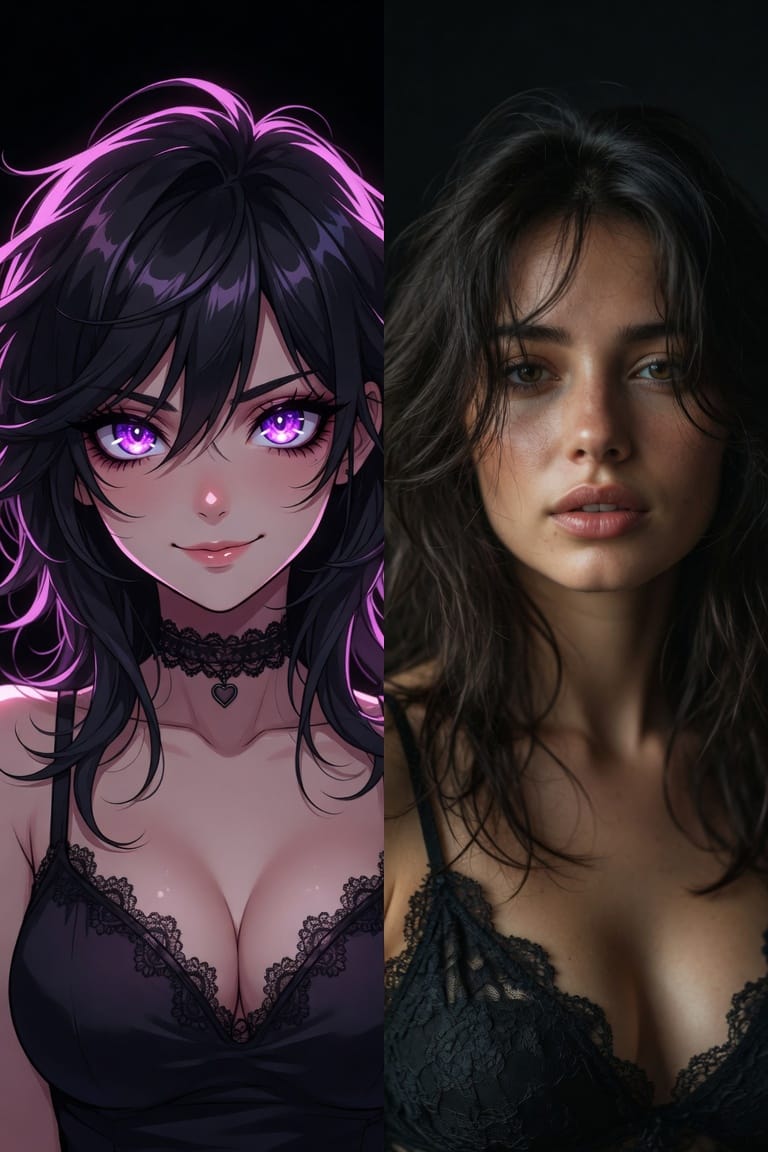
Every new user hits the same fork in the road before anything else: is she realistic or anime? Most people click whatever feels obvious and never think about it again. That's a mistake, because the style you pick shapes everything downstream: how she looks in fifty images, how she moves in video, and even the tone your conversations settle into.
Here's how the two styles actually differ in practice, who tends to be happier with which, and why on Lovescape this isn't the permanent decision most platforms make it.
What the choice actually affects
Style isn't a filter on top of the same character. It changes three real things:
The rendering. Realistic styles aim for photography: skin texture, natural lighting, a person who could plausibly exist. Anime styles aim for art: clean lines, expressive eyes, the visual language of illustration. Both can be stunning. They're stunning differently.
The tone. This one surprises people. A photorealistic character pulls conversations toward grounded scenarios: apartments, offices, hotel bars. An anime character opens the door wider: the fantasy scenarios, the exaggerated dynamics, the tropes that feel natural in that visual language and slightly absurd outside it. Neither is better. They set different stages.
The flaws you notice. Realism is judged against reality, so small errors read as uncanny. Anime is judged against art, so it forgives more and stylizes the rest. If tiny imperfections break the spell for you, that's worth knowing about yourself before you choose.
The case for realistic
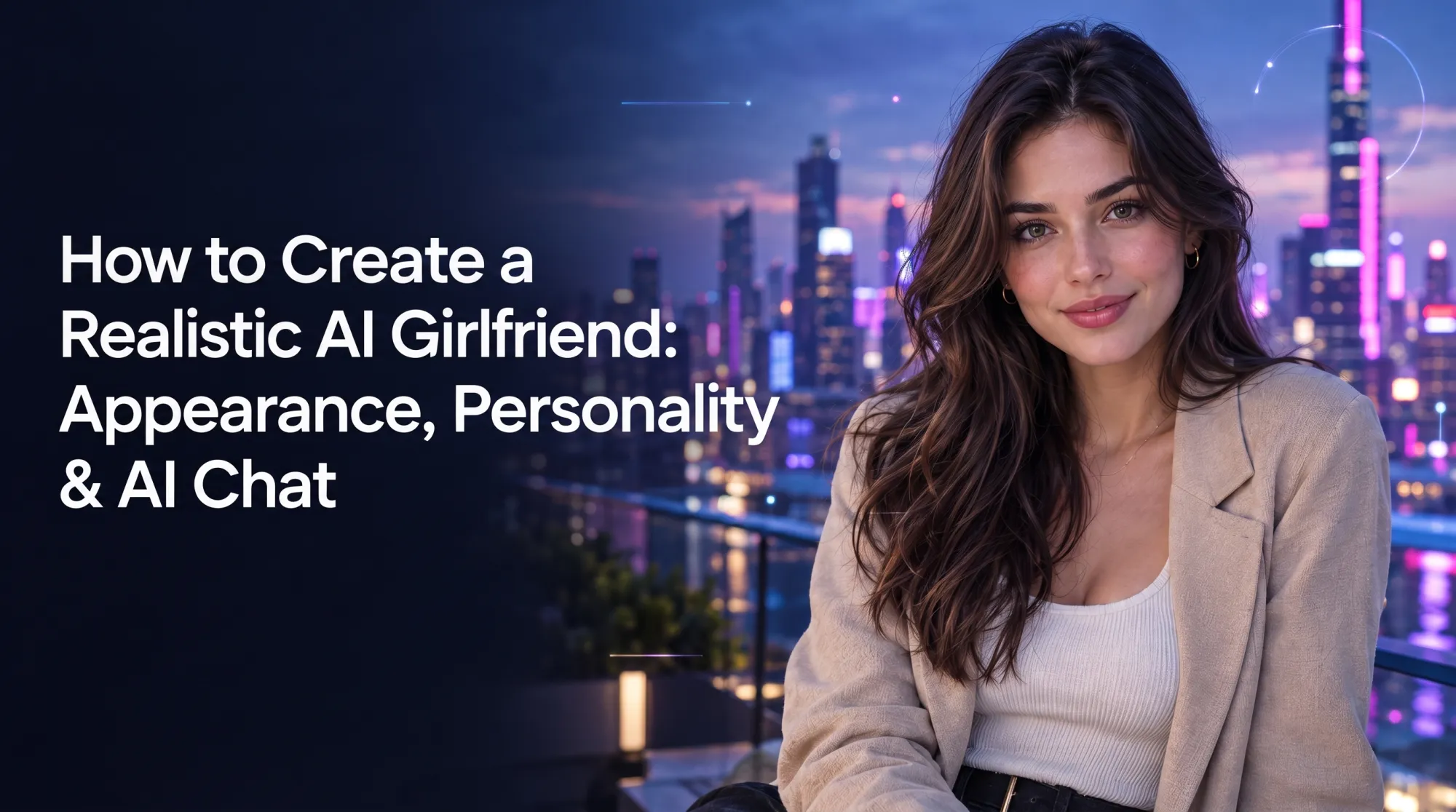
Realistic works best when presence is the point. You want someone who feels like she could text you from a real phone in a real city. The escalation from chat to images to video lands hardest here, because each step makes her more tangible. Users who bond through continuity, the sense of an actual ongoing relationship, tend to land realistic.
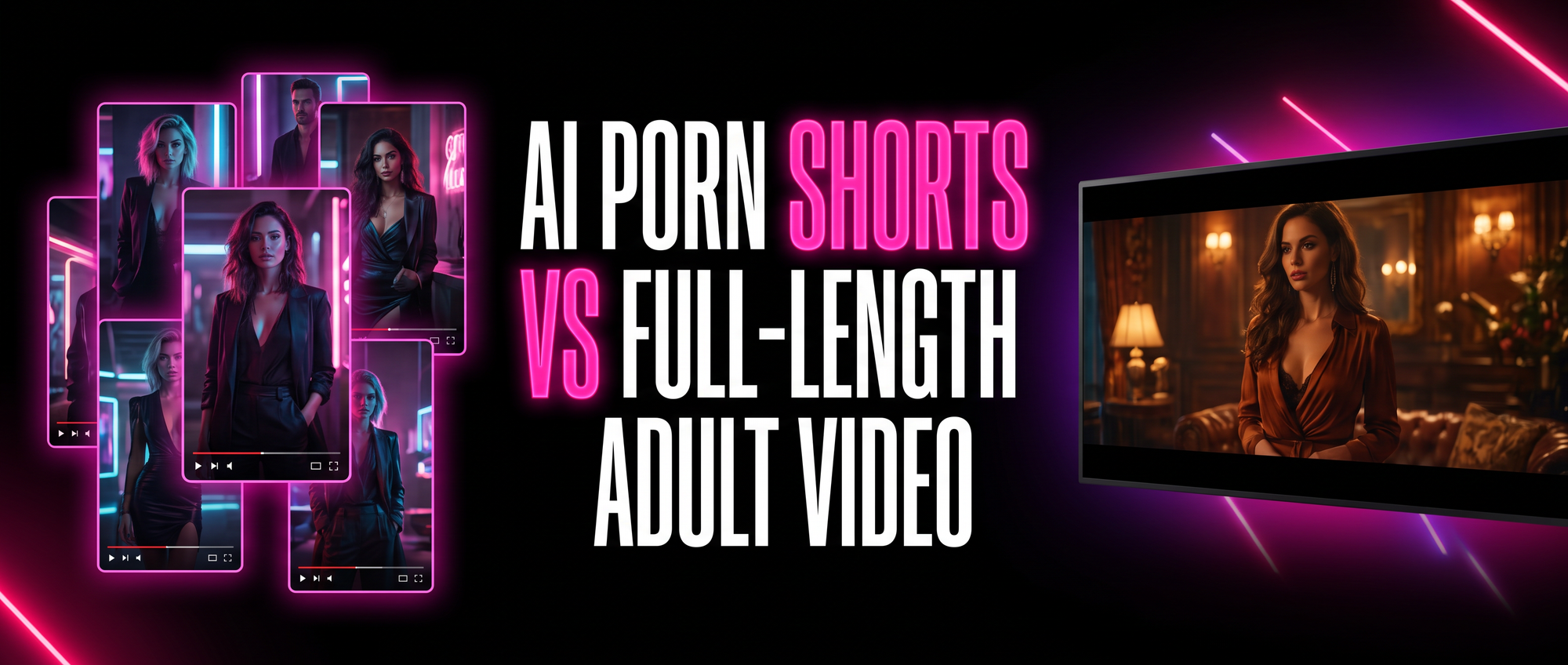
It also travels better into video. Motion amplifies realism: a photorealistic character glancing at the camera in a clip reads as presence in a way a still image can't reach.
The case for anime
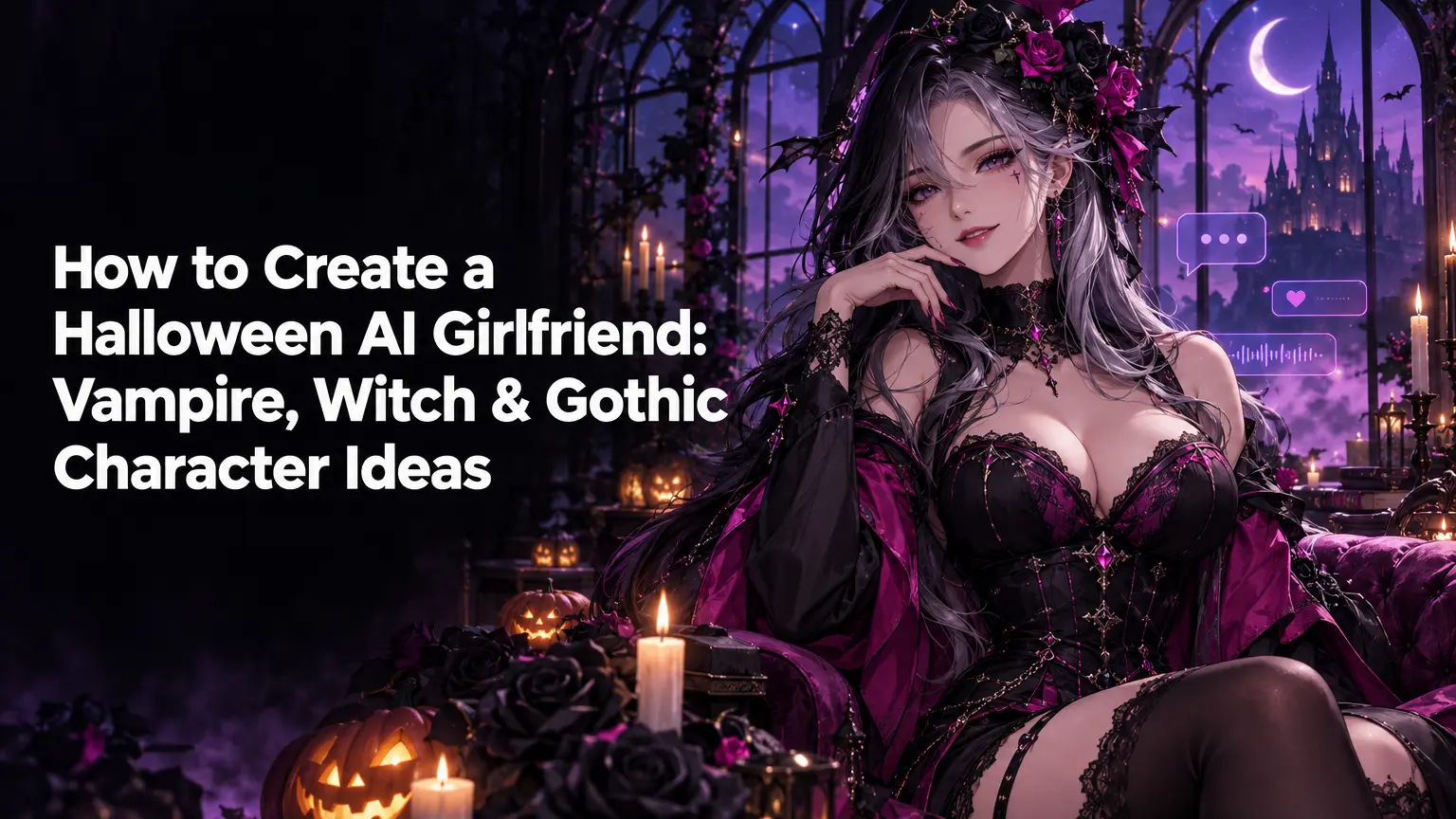
Anime works best when imagination is the point. The style carries decades of visual storytelling shorthand, and characters built in it borrow that energy: bolder personalities, bigger scenarios, roleplay that goes places realism won't naturally go. Users who come for creative range, story engines, and characters that feel like characters tend to land anime.
There's also a consistency bonus. Stylized faces hold their identity extremely well across images, because the style itself is part of the anchor. If you've ever been frustrated by face drift in realistic generators, anime is structurally more forgiving.
The honest answer: you don't have to choose
Here's what most platforms won't tell you, because most platforms are built on a single model with a single look: the realistic-or-anime fork is a false door.
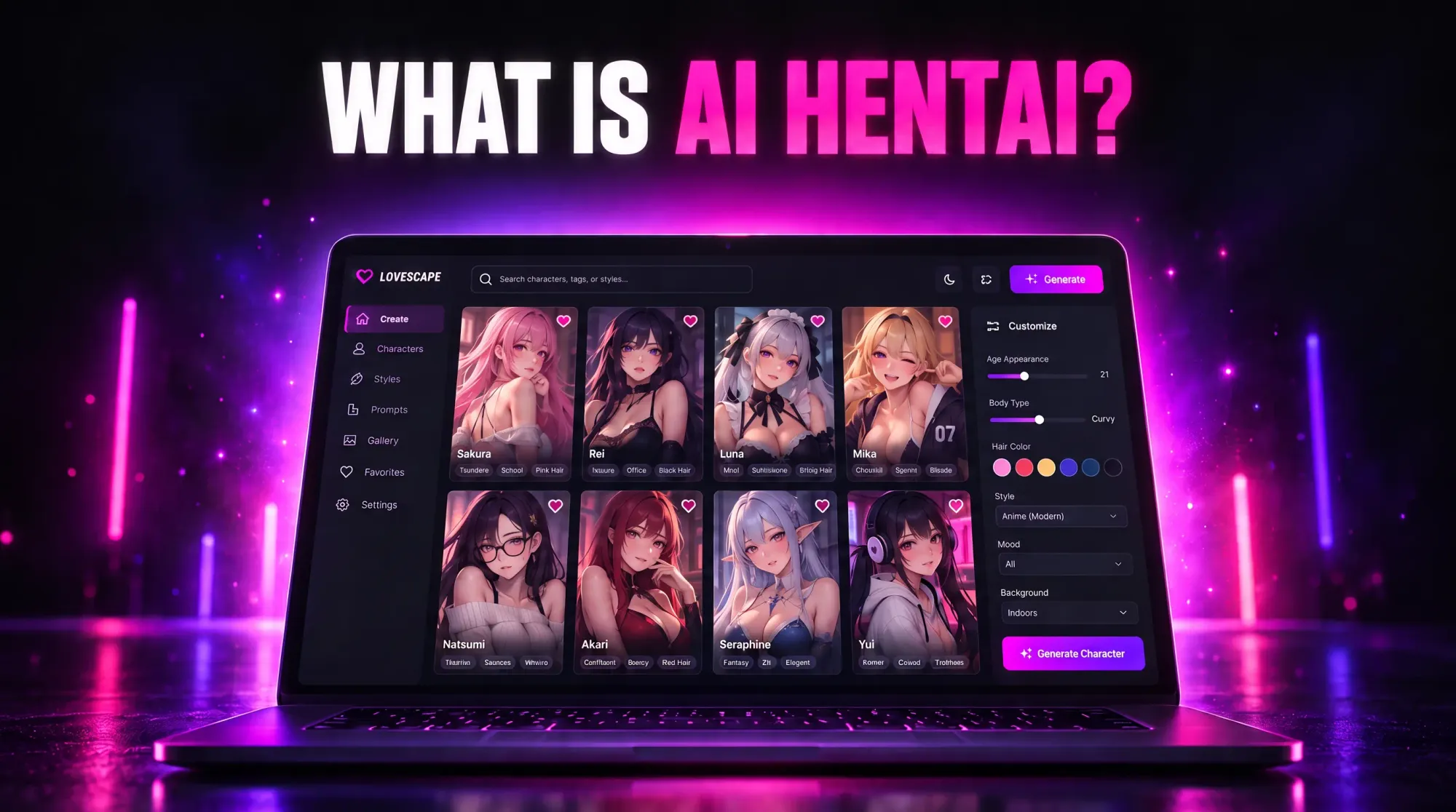
On Lovescape, your character exists as an identity, not as a render. The lineup includes engines built for photorealism and engines built for anime, and the same character carries across them. Which means the real workflow isn't choosing a style forever. It's choosing a home style for her, and visiting the other one when the mood calls for it. The same face, recognizably her, in a photograph on Tuesday and an illustration on Friday.
If you're torn, that's the tiebreaker: pick the style that matches how you'll talk to her most days, and treat the other as a place you take her sometimes.
Three practical tips for either path
- Define her in style-neutral terms. When you build her, anchor the features that survive translation: hair color and length, eye color, build, the vibe. Style-specific flourishes can live in prompts instead. (Full walkthrough in the character creation guide.)
- Test both early. Generate the same simple scene in a realistic engine and an anime one during your first session, before the relationship has momentum. Two minutes of comparison beats two weeks of wondering.
- Match scenarios to style. Grounded scenario, realistic render. Fantasy scenario, anime render. When the visual language matches the story, both get better.
And the standing line: whichever style you pick, everything renders inside the same hard limits. Every character 18+, no real people, on every engine and every style equally.
The bottom line
Realistic gives you presence. Anime gives you range. Both give you her, because the character is the constant and the style is a lens. Pick a home style for how you actually spend your time together, keep the other in your pocket, and stop treating the first click on the platform like a marriage.
You can start free.