AI Video Generation: How to Bring Your Character to Life
AI video generation, explained: text-to-video vs image-to-video, keeping your character consistent in motion, and how to get great clips.

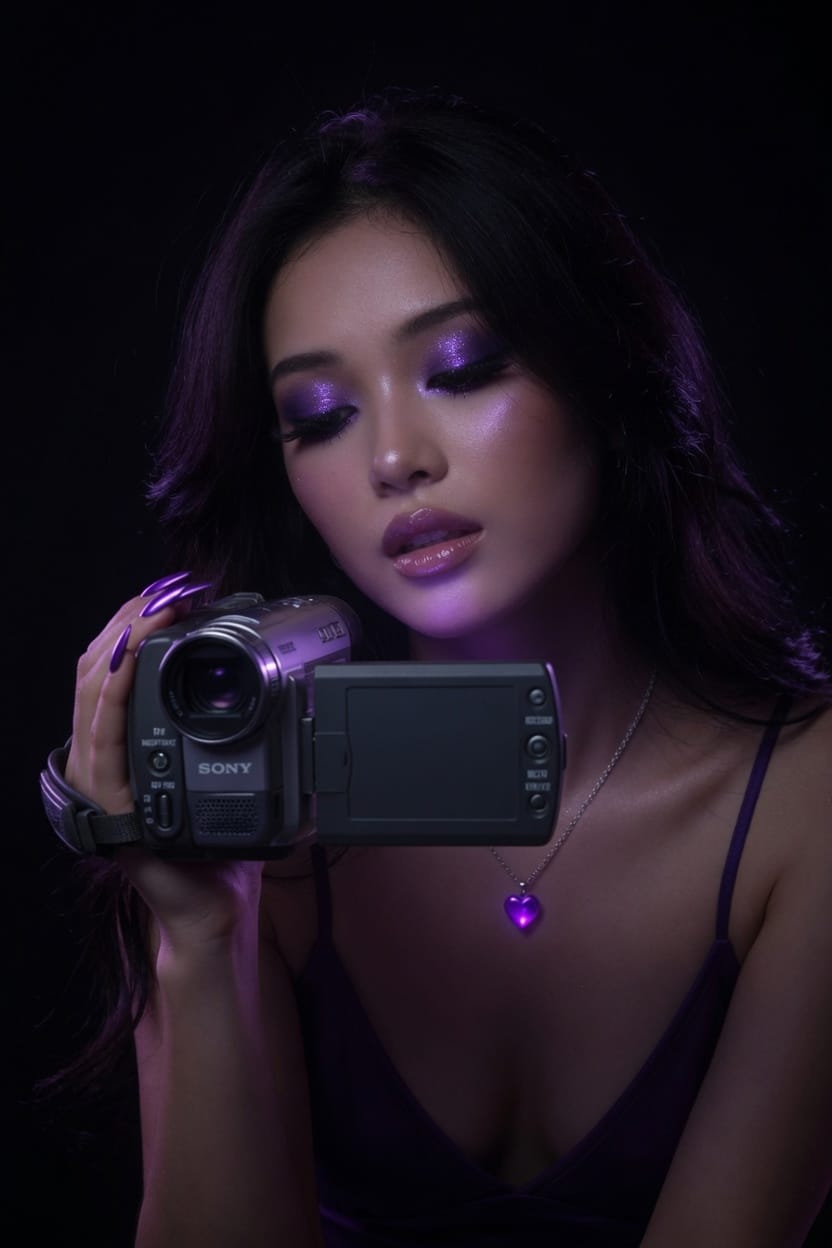
There's a moment every user of AI companion platforms describes the same way. The chat is good. The images are good. And then the first video renders. The character you built actually moves, glances, breathes, and something shifts. A picture is a portrait. Motion is presence.
AI video generation crossed the usable threshold this year, and it changes what a companion platform can be. This guide covers how it works, the two ways to generate, and how to get clips that feel like her instead of a five-second stranger.
The two ways to generate video
Every video model on Lovescape works in one or both of these modes, and knowing when to use which is most of the skill:
Text-to-video. You describe the scene, the model builds it from scratch: character, setting, motion, all from your words. Best when the scene is the point: a new setting, a specific scenario, something you haven't generated as an image yet. It's the faster route from idea to motion.
Image-to-video. You start from an image of your character, one you've already generated and love, and the model animates it. The image acts as an anchor. The face, the body, the lighting, the pose are already decided, and the model's job is only to bring them to life. Best when she is the point.
The practical rule: text-to-video for new scenes, image-to-video for perfect ones. If an image already captures exactly what you want, animating it will stay truer to her than re-describing it in words ever could.
Why motion is the hardest test of consistency
Any generator can hold a face steady in a single frame. Video is 120+ frames, and every one of them is a chance for the face to drift. This is why so many standalone video tools produce clips where the character subtly morphs. The identity was never anchored, so each frame re-rolls a little.
The way around it is the same principle that makes images work on Lovescape: your character exists as a defined identity, not a prompt. When you generate video, on LTX 2.3, the newest engine in the lineup, or any other model, the platform renders that person in motion. And with image-to-video, you're doubly anchored: identity plus a concrete visual starting point.
That's also why the escalation path works the way it does. Chat builds the relationship, images give it a face, video gives the face life. And it only holds together if it's the same her at every step.
Getting good clips: five practical rules
- One action per clip. Five seconds is one beat, not a story. "She turns toward the camera and smiles" renders beautifully; a three-act sequence renders as mush. Chain clips if you want a scene.
- Motion words matter. Video models respond to verbs the way image models respond to adjectives. Say what happens (leans, stretches, laughs, walks toward), not just what exists.
- For image-to-video, pick clean source images. Clear pose, good lighting, character fully in frame. The model amplifies what's there, including flaws.
- Let the camera work. A slow push-in or a handheld feel adds more life than forcing complex character motion. Sometimes the best clip is her doing almost nothing, filmed like it matters.
- Iterate cheap. Generate, look at what the model did well, adjust one thing. Video rewards small corrections more than rewritten prompts.
Where to start today
If you haven't tried video yet, the shortest good path:
- Open a character you already have history with. Video lands hardest when you know her. (New here? Build one properly first, ten minutes on creation pays off in everything downstream.)
- Take your favorite image of her and run it through image-to-video on LTX 2.3: 720p, about five seconds.
- Then try the same idea as text-to-video and compare. You'll immediately understand which mode fits which moments.
Explicit content works in video the same way it does everywhere on Lovescape: as designed, no tricks required. And the standing rule, one line: every clip lives inside the same hard limits as the rest of the platform. Every character 18+, no real people, on every engine equally.
The bottom line
Video is where an AI companion stops being an image collection and starts being a presence. The tools are ready: two generation modes, engines built for both, and a platform that keeps her her from the first frame to the last. The difference between reading about it and getting it is one five-second clip.
You can start free.