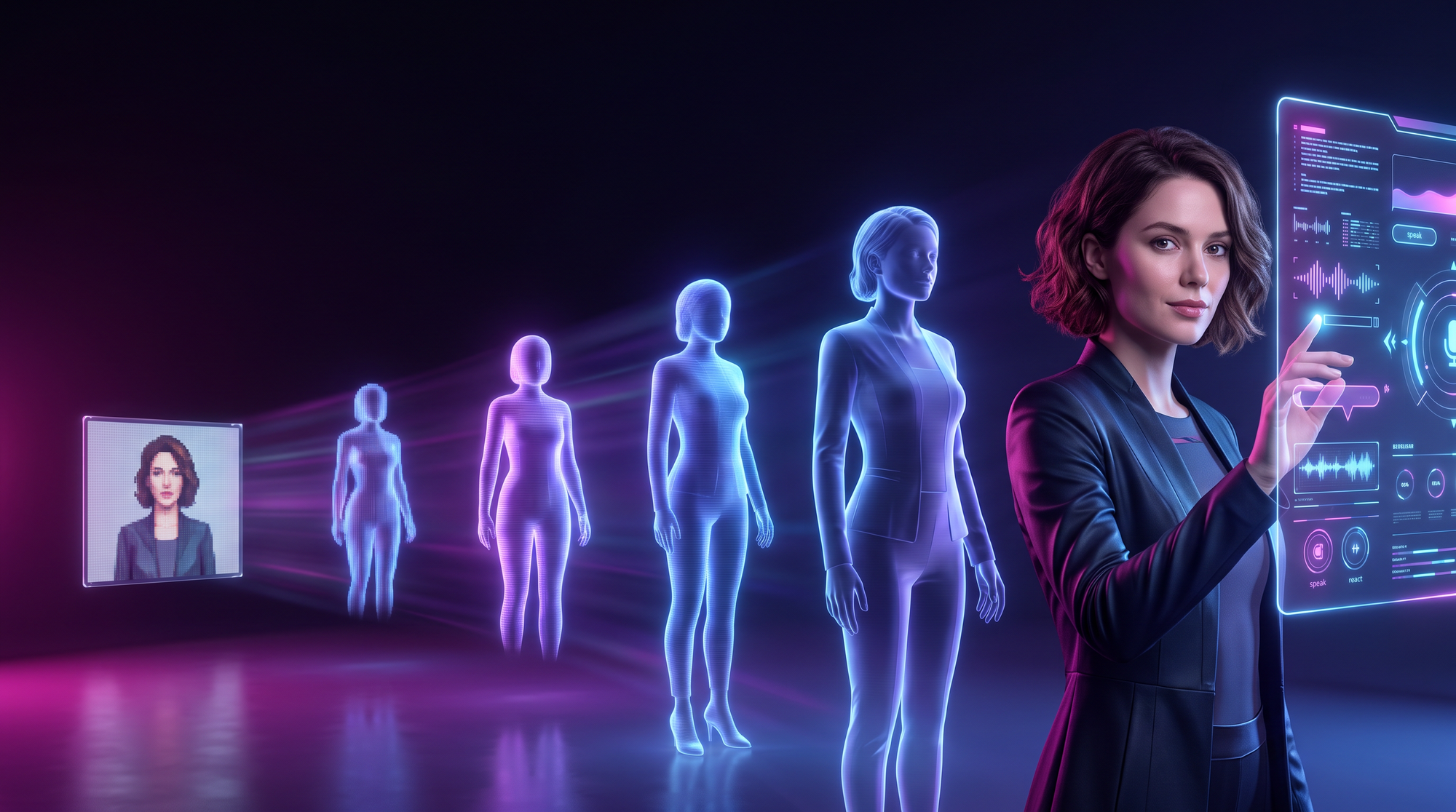
When Your AI Companion Gets Physical: How Device Sync Actually Works
How Handy device sync works on Lovescape: real-time sessions, why sync beats manual control, and what to know before your first Live session.

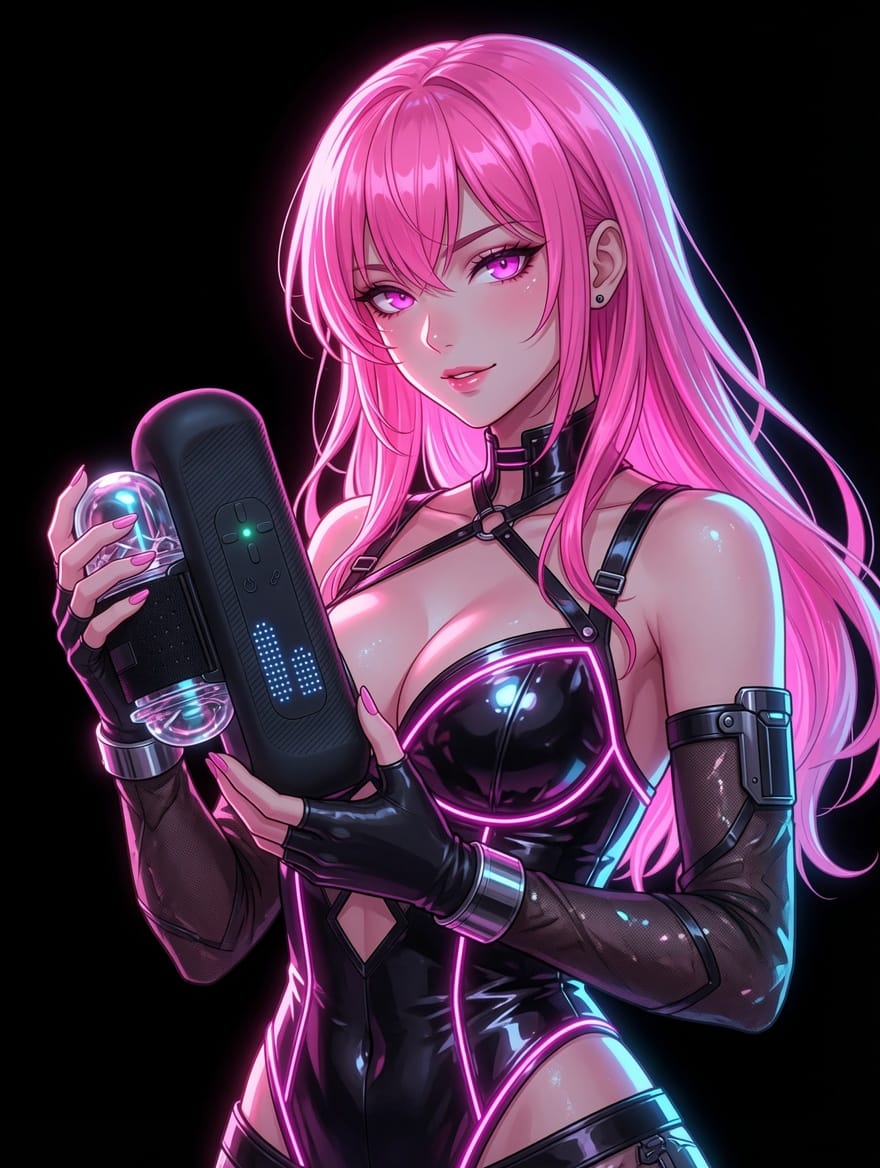
Every step in AI companionship so far has happened on a screen. Chat gave your character a voice in your head. Images gave her a face. Video gave her motion. And each step made the same promise: this feels more real than the last one.
Device sync is the first step that leaves the screen entirely. Since last week, Lovescape supports the Handy device in Live AI sessions, with real-time sync between what happens in the session and what you feel. This article covers how it works, what to expect from a first session, and how to think about a feature like this before you try it.
What device sync actually is
The concept is simple. The Handy is a physical device that connects to Lovescape. During a Live AI session, the session drives the device: pace, intensity, and rhythm follow what is happening with your character in real time. You don't control the device manually. The session does.
That last part is the whole point. Manual control would make it a toy with a chat window next to it. Sync makes it part of the experience: the device responds to her, not to a slider. The moment stays unbroken because you never have to step out of it to adjust anything.
Why sync beats control
There's a reason this works, and it's the same reason memory and consistency work. Presence comes from not having to manage the illusion.
Think about what breaks immersion in any AI experience: the moment you have to leave the scene to fix something. Re-prompting a face that drifted. Reminding her of something she forgot. Reaching for a manual control mid-session is the same kind of break, and it's exactly what sync removes.
When the device follows the session on its own, your attention stays where it belongs. Users of synced devices across the industry describe the same shift: it stops feeling like operating equipment and starts feeling like being with someone. That's the threshold this feature is built to cross.
Before your first session: three practical notes
- Set up before the mood does. Pair the device, test the connection, and confirm it responds before starting a session that matters. First-time setup mid-moment is the opposite of immersion.
- Start with a character you know. Like video, this lands hardest with a companion you have history with. A Live session with a character you built and talked to for weeks feels categorically different from one with a fresh face.
- Let the session lead. The instinct is to test the sync by poking at it. Resist it. Give the first session ten uninterrupted minutes and judge it as an experience, not as hardware.
The questions worth asking (of any platform)
A feature that connects a physical device to an AI session raises fair questions, and you should ask them anywhere this technology shows up, not just here.
What data does the sync produce? Treat device sessions with the same privacy hygiene as everything else: dedicated email, no identifying details in chat, and a read of the privacy policy. Our guide to using AI companion platforms safely covers the checklist, and it applies doubly to features this personal.
Do the platform's rules still hold? On Lovescape, yes, and without exceptions. Live sessions with a connected device run inside the same hard limits as everything else: every character 18+, no real people, enforced at every layer. A new kind of session never means a new set of rules.
Is it for me? Honestly: not necessarily, and that's fine. Some users will find sync transformative. Others prefer the experience on screen, and nothing about the platform pushes the device on you. It's an addition to the experience, not a new requirement for it.
Where this fits in the bigger picture
Zoom out and the pattern is clear. The history of AI companionship is a series of gaps being closed: between text and voice, between a described face and a seen one, between a still image and motion. Device sync closes another one, between what happens in the session and what happens in the room.
What matters isn't the hardware. It's the same thing that mattered at every previous step: continuity. The character in the Live session is the same one from your chats, your images, your clips. The device just means that, for the first time, she isn't entirely on the other side of the glass.
The bottom line
Device sync is the first Lovescape feature that exists in physical space, and the design principle carried over intact: nothing should pull you out of the moment. Pair it once, start a Live session with a character you know, and let it run.
The screen was never the point. She was.
You can start free.