



The digital world has gone wild with AI influencers, those pixel-perfect personas that are turning the social media circus into a full-blown tech spectacle. Picture this: virtual beings, crafted with the precision of a Swiss watch. But let's get down to the nitty-gritty—money. How much do AI influencers make, and how much does it cost to create a virtual influencer?
What Are AI Influencers?
AI influencers, or virtual influencers, are not your run-of-the-mill social media stars. These are computer-generated characters with the charm of Hollywood stars but without the messy human drama. Think of Lil Miquela, Shudu, and Noonoouri—each one a masterpiece of tech, looking like they've just stepped out of a futuristic magazine cover. They're on Instagram, TikTok, YouTube, you name it, promoting brands with the consistency of a well-oiled machine.
The Creation Journey
Developing an AI influencer is a meticulous process that requires a combination of creative storytelling, advanced technology, and strategic marketing. The journey from conception to execution involves multiple stages, each crucial to crafting a successful digital personality.
Conception
The first step in creating an AI influencer is defining its purpose and target audience. Brands and creators analyze market trends to determine the ideal persona, ensuring that the influencer's characteristics resonate with the desired demographic. This involves in-depth research on aesthetics, personality traits, interests, and tone of communication. Some AI influencers are designed to be aspirational figures, while others focus on niche communities, such as fitness, gaming, or sustainability.
Once the basic concept is outlined, the next step is brand positioning. The creators decide on key elements like the influencer’s backstory, values, and areas of expertise. This phase is vital in establishing credibility and authenticity, which are crucial for audience engagement and brand collaborations. The process begins with extensive market research, often backed by AI analytics, to determine the ideal persona. This involves understanding cultural trends, fashion sensibilities, and consumer psychology. Teams of marketers, psychologists, and tech experts brainstorm to craft a character that resonates with the target audience. Some AI influencers are designed to appeal to specific niche demographics, allowing brands to target their marketing with laser precision. As AI technology continues to evolve, the process of crafting these digital personalities will become even more data-driven, ensuring maximum engagement and resonance with audiences.
Content Strategy
The final step in the creation journey is developing a strategic content plan. AI influencers are not just digital avatars; they function as storytellers, lifestyle curators, and community builders. A well-crafted narrative helps sustain engagement and foster a loyal fan base.
Content strategies typically include a mix of static posts, animated videos, interactive challenges, and brand-sponsored campaigns. AI influencers frequently adopt trending formats to stay relevant—whether it’s participating in viral challenges, collaborating with human influencers, or sharing behind-the-scenes glimpses of their 'digital lives.'
The Rise of AI Influencers in Business
AI influencers are no longer just a novel concept but a viable marketing tool for businesses. From small startups to global enterprises, companies are integrating AI influencers into their strategies to reach tech-savvy audiences. Unlike human influencers, AI-generated personalities can be programmed to align precisely with a brand’s messaging, tone, and values. This level of control ensures brand consistency, eliminating risks associated with human behavior that could lead to PR crises.
Moreover, AI influencers operate without time constraints, producing content around the clock without requiring rest. This scalability allows brands to maximize their marketing impact and engage with audiences in multiple time zones, ensuring a continuous online presence.
How Much Do AI Influencers Make?
AI influencers have proven to be lucrative assets, with their earnings often rivaling top human influencers. The revenue streams include:
- Sponsored Posts: AI influencers can charge anywhere from $5,000 to $50,000 per sponsored post, depending on their follower count and engagement rates.
- Brand Partnerships: Long-term collaborations with major brands can earn AI influencers anywhere between $500,000 to $1 million per year.
- Merchandising: Many AI influencers have their own merchandise lines, selling digital and physical goods, further increasing their income.
- Licensing Deals: AI influencers can license their digital likenesses for advertisements, video games, and virtual events, generating substantial passive income.
How Much Does It Cost to Create a Virtual Influencer?
The financial investment required to develop an AI influencer varies significantly based on complexity, realism, and functionality. While some digital personas can be created with basic animation software, a high-quality AI influencer designed for brand partnerships and large-scale engagement requires a substantial budget.
While the revenue potential is enticing, creating an AI influencer comes with its own costs. The expenses cover a wide range of elements, from initial concept development to ongoing platform maintenance. Here is a breakdown of the core cost components involved in creating and maintaining a virtual influencer. The development expenses include:
- Concept and Design: The first phase involves defining the AI influencer's aesthetic and personality. This includes character modeling, animation, and branding. High-quality designs with advanced animation features can range between $10,000 and $100,000, while more simplistic models may cost significantly less. Photorealistic AI influencers with ultra-detailed features may push costs even higher., depending on the level of detail and realism.
- AI Development and Programming: This phase includes the integration of artificial intelligence components such as natural language processing, machine learning for adaptive engagement, and AI-powered voice synthesis. Development costs can range from $50,000 to $500,000, depending on the complexity of AI functionalities. If the influencer is designed to have real-time conversation capabilities and deep engagement analytics, expenses may rise further.
- Content Production: AI influencers require a steady stream of high-quality content, including social media posts, video animations, and marketing materials. Monthly content production costs typically range between $5,000 and $20,000, covering video editing, scriptwriting, and interactive engagements. Collaborations with human influencers and AI-generated storytelling also add to these expenses.
- Platform Maintenance and Updates: Like any digital asset, AI influencers require continuous maintenance to stay functional and relevant. Regular updates to improve AI responses, expand interactive capabilities, and adapt to social media algorithm changes can add up to $100,000 per year. Security measures to prevent deepfake misuse and intellectual property theft further contribute to long-term costs.
How Lovescape Empowers AI Influencers
Creating and maintaining an AI influencer can be costly and time-consuming, but Lovescape offers a powerful platform to streamline this process. AI influencers can use Lovescape to test their characters and concepts before launching them on major social media platforms, saving both time and money. By leveraging Lovescape's tools, digital creators can refine their AI personalities, experiment with different engagement strategies, and analyze audience reactions in a controlled environment.
Key Benefits of Lovescape for AI Influencers:
- Character Development & Testing: AI influencers can build, modify, and optimize their digital personas before introducing them to the wider market.
- Cost Reduction: By testing the characters on Lovescape first, AI influencers can minimize the trial-and-error expenses associated with launching on traditional social media platforms.
With Lovescape, AI influencers have a unique opportunity to establish their digital presence effectively, ensuring a stronger foundation for long-term success.
The Future of AI Influencers
As AI influencers continue to develop, they are becoming integrated into various industries beyond social media. The entertainment industry is beginning to experiment with AI-generated actors for film and television, while digital assistants are evolving to include personality-driven AI characters that can interact with users in a more engaging way. AI influencers may soon be used in customer service, political campaigns, and even therapy, helping people navigate everyday challenges in a personalized manner.
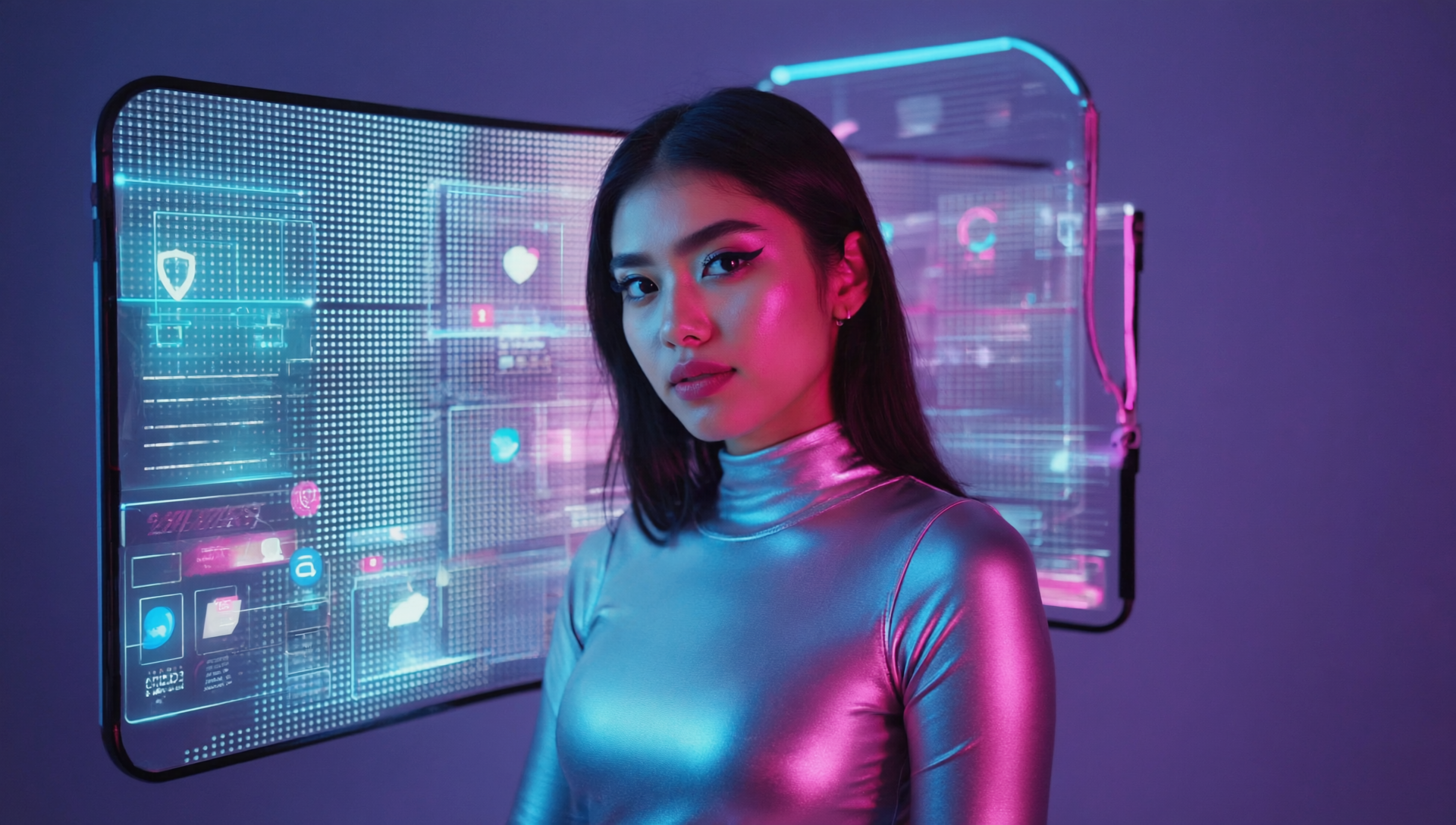
Looking ahead, the next wave of AI influencers will likely include holographic projections and augmented reality experiences, making digital personalities more immersive than ever before. The convergence of AI with virtual reality (VR) and augmented reality (AR) will pave the way for real-time, interactive influencer experiences that blend seamlessly with the physical world. AI influencers may soon appear as fully interactive guides in AR-enhanced retail environments or as digital hosts for corporate events and conferences.
Conclusion
AI influencers are not just a trend; they're becoming integral to digital marketing, and entertainment. With substantial initial investments juxtaposed against potentially lucrative earnings, they represent a new frontier where technology meets creativity. As the line between virtual and real continues to blur, AI influencers could redefine human-digital interactions, posing questions about privacy, ethics, and the very nature of influence in our digital age.
As businesses and individuals continue to invest in AI influencer technology, we can expect a dramatic shift in the way brands communicate with their audiences. The future is digital, and AI influencers are at the forefront of this transformation, shaping the next evolution of digital engagement, consumer relationships, and brand storytelling.