


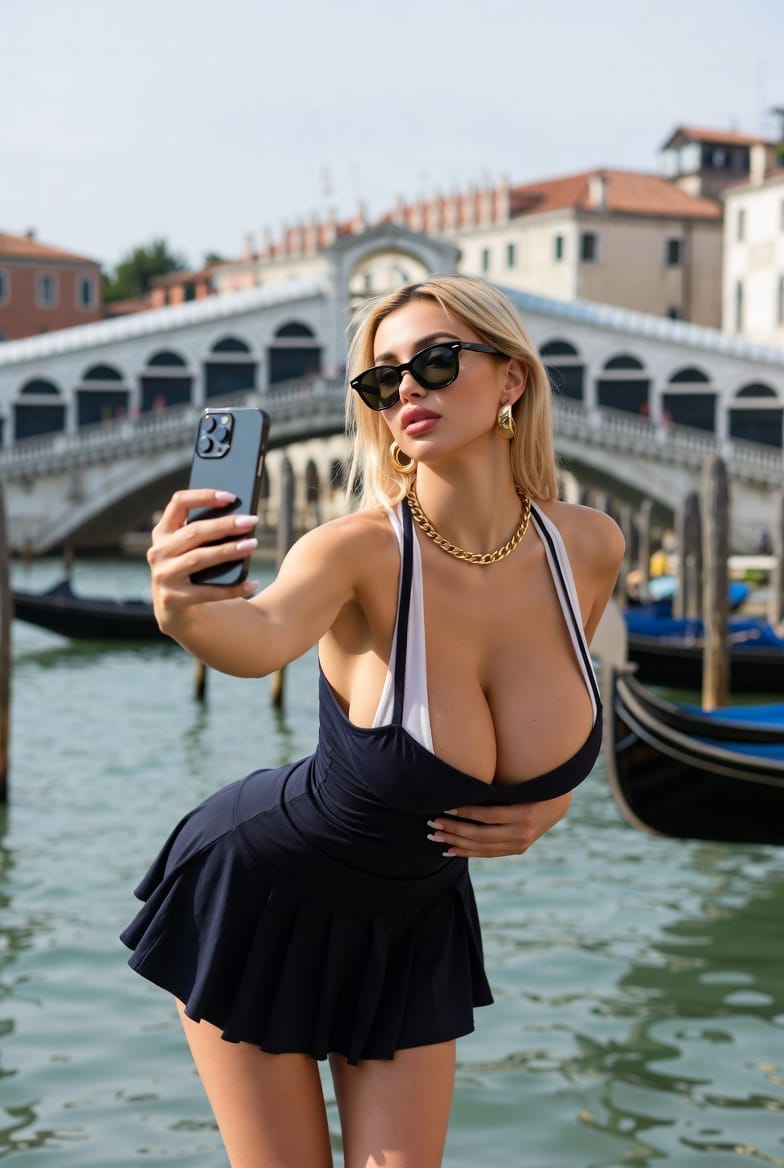
Social media has transformed the landscape of fame, giving rise to influencers who captivate millions daily. However, a new breed of celebrity is emerging: AI influencers. These are not your typical stars; they are virtual personas, engineered through AI, CGI, and sophisticated algorithms, designed to entertain, promote, and connect with audiences. But what is an AI influencer, and how do they function in the digital world? Let’s dive in.
What is an AI Model on Instagram?
An AI model on Instagram is a type of AI influencer that primarily operates within the visual and engagement-driven environment of Instagram. These virtual AI models post high-quality, hyper-realistic images, interact with followers, and collaborate with brands for promotions. What is an AI model on Instagram? It is a digital persona crafted to enhance marketing strategies, showcase fashion, and create engaging digital narratives.
How AI Influencers Function
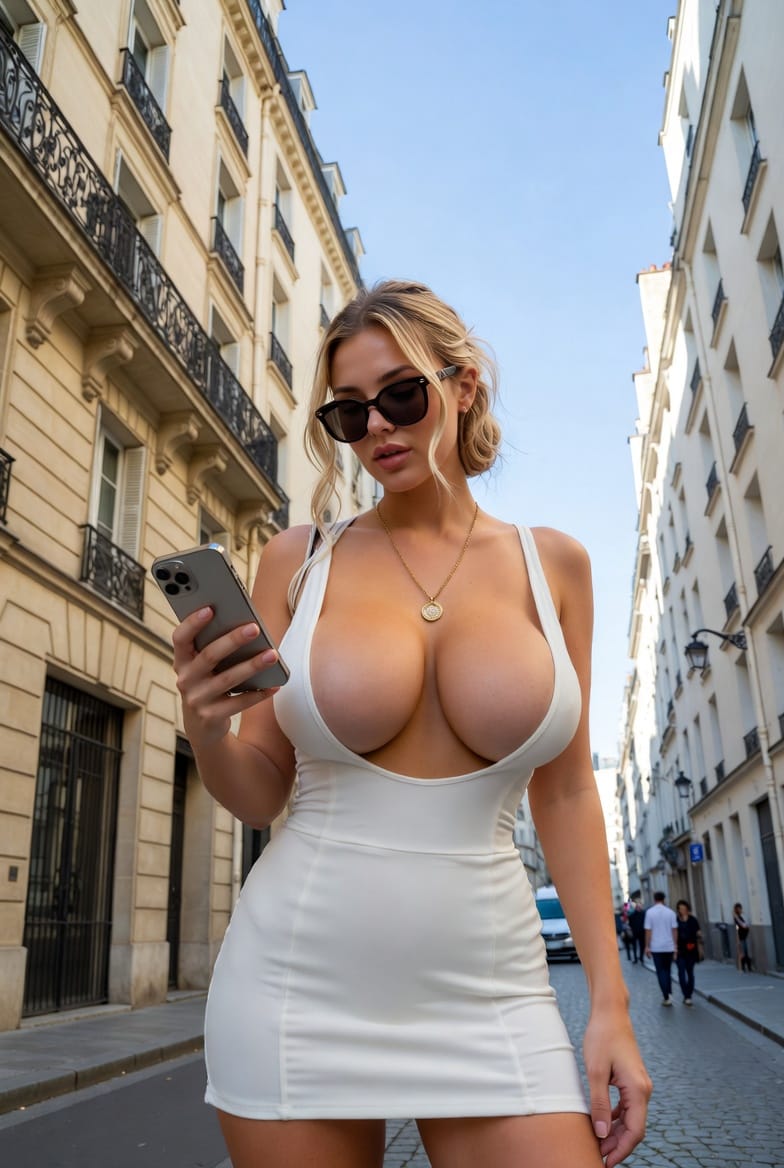
An AI influencer, or virtual influencer, is essentially a digital character created to mimic human influencers. Here's how they operate:
- Content Creation
- They post on platforms like Instagram, TikTok, and YouTube, offering visually appealing content, product endorsements, and engaging stories.
- Their content blends CGI with real-world elements, making them appear seamlessly integrated into the digital space.
- Brand Partnerships
- What are AI influencers? They are digital entities that collaborate with brands to push products or services, much like their human counterparts.
- They allow for carefully curated marketing strategies that align with brand values without human unpredictability.
- Audience Interaction
- They engage with followers via comments, direct messages, and interactive stories, all driven by AI algorithms.
- AI chatbots enhance the interactive experience, responding to fans in real-time with scripted yet adaptive messages.
Their advantage lies in the meticulous control over their image, behavior, and content, providing brands with consistency and reliability that human influencers might not always guarantee.
The Making of an AI Influencer
Creating an AI influencer requires a combination of design, AI programming, and strategic content planning:
1. Design and Creation
- CGI and 3D Modeling: Artists use advanced software to craft everything from the influencer’s skin tone to their wardrobe.
- Animation: Precise animation techniques ensure movements, facial expressions, and gestures are realistic.
- Deepfake Technology: Some AI influencers use deepfake AI to enhance realism, blending video content with synthetic overlays for greater believability.
2. Personality and Voice
- AI Algorithms: Dictate how the influencer interacts with followers, ensuring responses are on-brand.
- Custom Personality: A backstory, unique voice, and tone are crafted to make the influencer relatable.
- Multilingual Capabilities: Some AI influencers can engage in multiple languages, expanding their global appeal.
3. Content Strategy
- AI-generated Creativity: AI influencers can generate captions, music, and artwork tailored to specific audiences.
- Automated Scheduling: AI tools optimize posting schedules based on engagement patterns, ensuring peak visibility.
- Personalized Interaction: AI influencers adjust responses and content based on user engagement history.
4. Engagement and Analytics
- AI-driven insights monitor engagement metrics, helping brands refine strategies.
- AI influencers analyze audience sentiment, adapting their messaging based on feedback.
- Predictive modeling forecasts future trends, allowing AI influencers to stay ahead of cultural shifts.
AI Models on Instagram
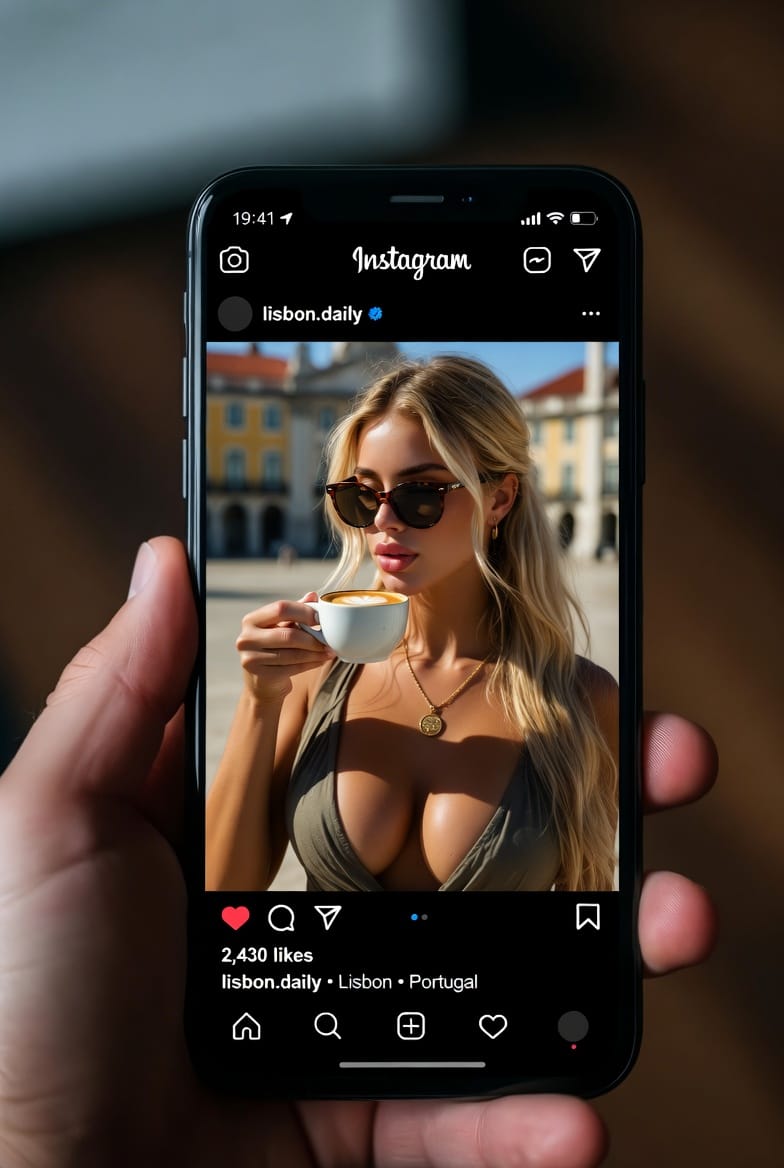
Instagram’s visually-driven nature makes it a prime platform for AI influencers. It refers to the utilization of AI-generated influencers to engage audiences through captivating digital imagery and strategic marketing efforts. Here’s how they stand out:
- High-quality CGI images and videos ensure a polished and aesthetically appealing feed.
- Sponsored collaborations enable brands to use AI influencers for targeted promotions.
- AI-driven interactive experiences, such as AR filters and virtual Q&A sessions, boost engagement.
- Seamless brand integration creates an immersive experience without the inconsistencies of human influencers.
Notable AI Influencers
AI influencers have become powerful digital figures, collaborating with brands, engaging audiences, and shaping digital culture. Below are some of the most recognized AI influencers and their impact:
Lil Miquela: One of the most famous AI influencers, Lil Miquela has millions of followers on Instagram and TikTok. Created by Brud, she blends music, activism, and fashion into her content. She has collaborated with major brands like Prada and Calvin Klein, featuring in high-profile campaigns. Her persona also promotes social causes such as LGBTQ+ rights and racial justice, making her an influential digital figure beyond marketing.
Shudu: Dubbed the world’s first digital supermodel, Shudu was created by fashion photographer Cameron-James Wilson. She is known for her hyper-realistic appearance and has worked with luxury fashion brands like Balmain and Fenty Beauty. Shudu represents a new era of digital fashion modeling, where virtual models can seamlessly integrate into the high-end fashion industry.
Imma: A Japanese AI influencer with a distinct pink bob haircut, Imma merges fashion, technology, and cultural aesthetics. She has partnered with brands like Porsche and Valentino and is well-known for exploring digital and physical crossovers in marketing campaigns. Her presence in global events and exhibitions highlights the role of AI influencers in shaping digital art and branding.
Noonoouri: A high-fashion AI model collaborating with brands like Dior, Versace, and Valentino, Noonoouri is designed to emphasize sustainability and ethical fashion. Her digital persona represents a blend of futuristic elegance and social responsibility, making her a unique influencer in the luxury fashion space.
Ayayi: A Chinese AI influencer gaining rapid popularity in the luxury and digital retail industry, Ayayi has been featured in campaigns for brands like Burberry and Alibaba. She is one of the pioneers in China's “metahuman” movement, where AI-generated characters play significant roles in e-commerce and branding.
Rozy: South Korea’s first AI influencer, Rozy, is a virtual human created for advertising and digital entertainment. She has secured multiple brand endorsements, appearing in commercials, and has even been featured in Korean television shows. Her persona is designed to appeal to younger audiences, making her a trendsetter in digital marketing.
Bermuda and Blawko: Created by the same team behind Lil Miquela, Bermuda and Blawko are AI influencers with distinct personalities. Bermuda is known for her tech-savvy image and political opinions, while Blawko embraces a streetwear aesthetic and engages audiences with a laid-back digital presence. Both characters showcase how AI influencers can represent different lifestyles and ideologies in the social media world.
These AI influencers demonstrate the growing significance of virtual AI models in branding, fashion, entertainment, and activism. As AI technology evolves, we can expect even more diverse AI personalities to emerge, each with unique digital identities and marketing potential.
Ethical Considerations of AI Influencers
The rise of AI influencers presents new ethical challenges that must be addressed:
- Transparency and Disclosure
- Should AI influencers disclose their artificial nature? Some argue that followers should always be aware that they are engaging with a non-human entity to prevent deception.
- Regulations are emerging to ensure brands using AI influencers clearly state their nature in sponsored content.
- Job Displacement and Industry Impact
- AI influencers may replace human influencers and content creators, leading to ethical concerns about job displacement in the entertainment and marketing industries.
- However, they also create new job opportunities in AI development, CGI design, and content curation.
- Data Privacy and Security
- AI influencers interact with users through comments, messages, and even voice interactions, raising concerns about how their data is collected and stored.
- Stricter data protection regulations may be necessary to prevent unauthorized use of personal information.
- Unrealistic Beauty Standards
- AI influencers often embody perfection, setting beauty standards that may be unattainable for human followers.
- This can contribute to body image issues and mental health concerns, making it essential for brands to promote diversity and authenticity in AI-generated personas.
- Manipulation and Ethics in Marketing
- AI influencers can be programmed to interact in highly persuasive ways, potentially leading to ethical concerns over manipulative marketing tactics.
- Ensuring ethical guidelines in AI-generated advertising is critical to maintaining consumer trust.
Conclusion
What is a virtual AI model though? It is a sophisticated digital entity designed to engage audiences, market products, and redefine modern influencer culture. AI influencers are reshaping digital marketing, offering unparalleled control, efficiency, and engagement opportunities for brands. They represent a fusion of cutting-edge technology and social media influence, creating new possibilities in entertainment, advertising, and audience interaction. While challenges around authenticity and ethics remain, advancements in AI will continue refining these virtual personalities, making them even more lifelike and integrated into our digital world.
With companies like Lovescape at the forefront of AI influencer development, the digital marketing landscape is evolving faster than ever. Whether you’re a brand exploring AI influencer partnerships or simply fascinated by the concept, one thing is clear—AI influencers are here to stay, redefining how we interact with content and marketing in the modern era.
Visit Lovescape to explore how we’re shaping the future of AI influencers or start your journey into this exciting revolution.